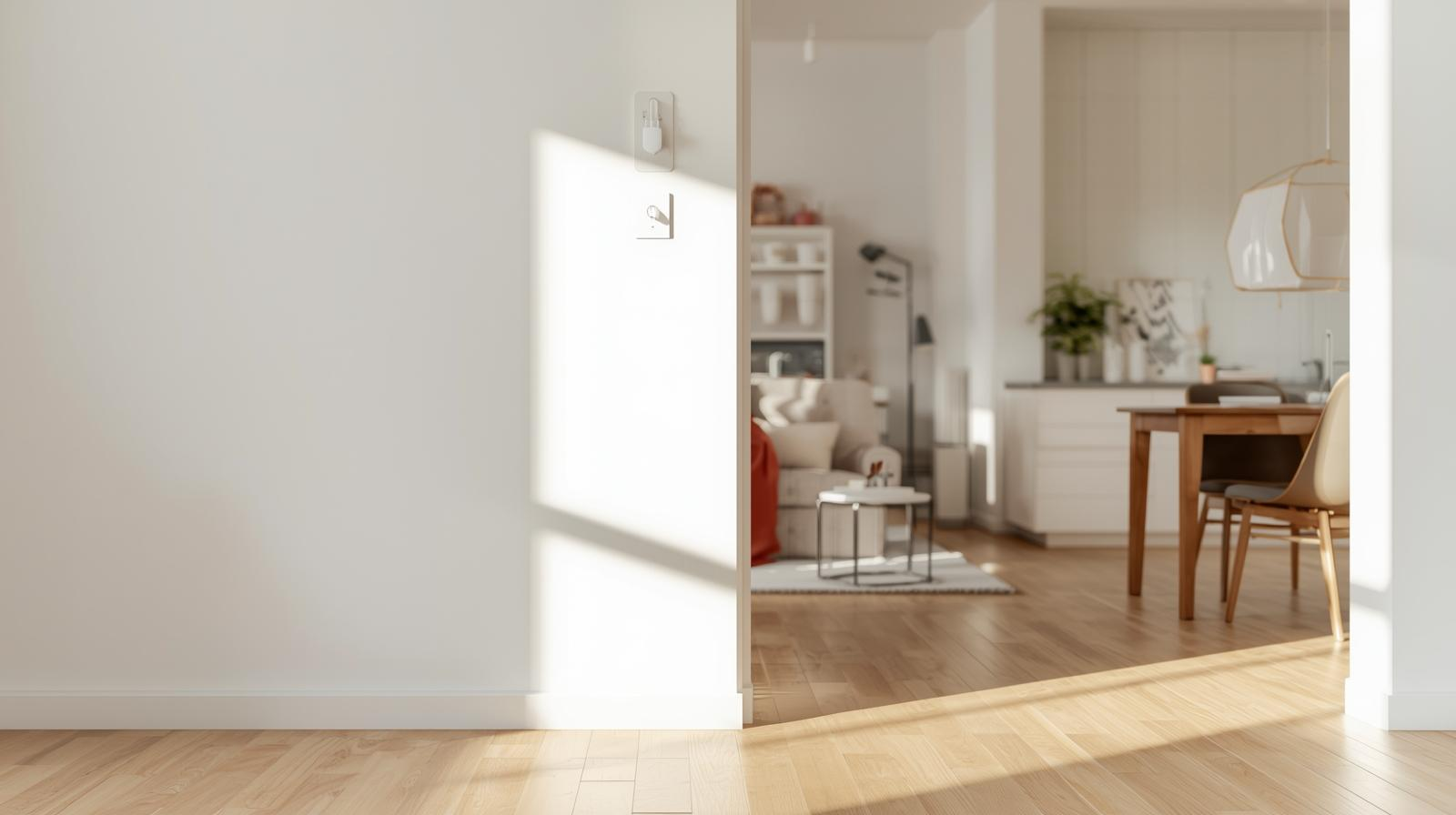
Selling an apartment in Barcelona can be an excellent opportunity… or a source of complications if the process isn’t properly prepared.
Most owners only think about two things:
“How much can I sell for?” and “When will I sell it?”
But what really determines how a sale will go is everything that happens before publishing the listing.
This guide sums up the 7 key checks that any owner should complete before putting their apartment on the market. It’s the same method we follow at Homekers to avoid surprises, delays and chaotic negotiations.
1. Review all the essential documentation of the property
Before you publish, check that all the documentation is correct, complete and available. In Barcelona, where processes can become saturated quickly, any mistake can delay a sale by weeks.
Basic documentation to have ready:
- Title deed
- Recent land registry extract (nota simple)
- Property tax (IBI) receipts
- Community fee payment certificate
- Community bylaws (if they exist)
- Horizontal division deed
- Floor plans (if you have them)
- New build / extensions (if applicable)
Example:
It’s common for the actual square metres not to match the registered ones. Although this can be fixed, it may cause delays if it’s discovered halfway through the process.
Why it matters:
When documentation is missing, buyers feel insecure. In a market as competitive as Barcelona, that can mean losing real opportunities.
2. Detect if there are any encumbrances, liens or special legal situations
A buyer, their lawyer or their bank will check whether the apartment has any charges attached to it. Get ahead of them to avoid nasty surprises.
Check for:
- Existing mortgages
- Administrative liens
- Usufruct rights
- Joint ownership (proindiviso)
- Inheritances that haven’t yet been accepted
- Claims or legal proceedings
- Pending registrations at the Land Registry
Example:
In sales coming from inheritances, it’s common for the acceptance of the inheritance not yet to be registered. Even if the family has reached an agreement, the sale cannot be signed before a notary until this is regularised.
Why it matters:
Identifying these issues from the start allows you to plan timings and avoid deals that collapse at the last minute.
3. Check the legal status of the apartment: occupancy certificate and energy certificate
In Catalonia, both documents are mandatory to formalise the sale, and it’s advisable to have them ready even before publishing the listing.
Occupancy certificate (cèdula d’habitabilitat)
- Validity: 15 years.
- The buyer will need it to sign at the notary and to contract utilities.
Energy performance certificate (CEE)
- Legally required to advertise and sell the property.
- In practice, many owners publish the listing while it is being processed, but it must be issued before signing and it’s best to have it from the beginning to avoid doubts or delays.
Example:
A buyer may walk away if they see that the occupancy certificate or the CEE are not up to date, especially if they fear there might be problems obtaining them.
Why it matters:
It avoids tension, increases transparency and speeds up the process.
4. Assess the technical condition of the apartment and identify low-cost improvements
A basic technical review can prevent problems during viewings, valuations or negotiations.
Things to check:
- Electrical installations
- Plumbing condition
- Damp and humidity
- Doors and windows
- Paintwork
- Kitchen and bathroom
- Lighting
Example:
A fresh coat of paint, new sealant and warmer lighting can greatly improve the perception of the apartment without spending too much.
Why it matters:
In Barcelona, buyers compare a lot of apartments. Technical and visual details make the difference.
5. Determine the real market value (not the desired one)
One of the most common mistakes is setting the price based on what the “neighbour” is asking or on personal expectations.
Barcelona is made up of micro-markets:
- An apartment in Eixample is not valued the same as one in Sant Andreu.
- A ground floor in Horta doesn’t attract the same profile as a penthouse in Poblenou.
- Gràcia, Nou Barris and Les Corts have very different dynamics.
To set an accurate price, it is essential to:
- Analyse recent comparable properties
- Look at closing prices, not only asking prices
- Understand the real demand in each area
- Adjust according to condition, floor level, building and certifications
Example:
Many owners adjust their asking price after comparing real comparables and discover they were above the market, which is why they weren’t receiving enquiries.
Why it matters:
A poorly defined price leads to weeks or months with no movement.
A realistic price speeds up the sale without getting into exhausting negotiation battles.
6. Evaluate the situation of the community and the building
The community and the building are decisive for many buyers in Barcelona, especially those who want to live in the property.
Review:
- Pending or approved special assessments (derrames)
- Status of the technical building inspection (ITE)
- Whether there is a lift or not
- Façade and roof condition
- Age of communal installations
- Overall energy efficiency level
Example:
A pending special assessment can reduce the number of interested buyers or trigger major renegotiations.
Why it matters:
A well-maintained building increases value.
One with problems reduces demand, price and speed of sale.
7. Prepare the apartment for sale: realistic and effective home staging
The goal is to show the best version of the apartment without overspending.
Actions that work particularly well in Barcelona:
- Remove personal items
- Maximise natural light
- Use neutral tones
- Incorporate modern textiles
- Add small decorative details
- Hire professional photography (key)
Example:
Apartments that were getting almost no viewings can start to generate real interest after simple home staging: tidiness, neutral colours and professional photos.
Why it matters:
90% of decisions are made in the first few seconds of looking at the photos.
Conclusion: a good sale starts long before the listing
Owners who follow these 7 steps minimise risks, attract more serious buyers and avoid improvised negotiations.
Quick checklist:
✔ Complete documentation
✔ Legal situation checked
✔ Occupancy certificate and CEE under control
✔ Technical condition verified
✔ Price aligned with the real market
✔ Community and building evaluated
✔ Home staging applied
If any of these points are missing, the ideal approach is to solve them before publishing the listing. It will save you time and complications.
Short summary
The key to selling well in Barcelona lies in thorough preparation: documentation, legal status, technical review, realistic valuation, analysis of the community and a carefully presented visual appearance.
Key ideas
- Barcelona moves in micro-markets: precise valuation is crucial.
- Documentation should be ready before publishing.
- The occupancy certificate and the CEE are mandatory to sell, even though some owners process them during marketing.
- Small technical and visual details greatly increase interest.
- Special assessments and the condition of the building directly influence the buyer’s decision.
- Good home staging changes the perception of the apartment from the very first second.
Contact Homekers
If you want to sell your apartment in Barcelona with professional preparation from day one — without improvisation and with a clear, safe and transparent process — at Homekers we guide you step by step.
📲 Talk to us on WhatsApp
📩 Discover more guides on the Homekers blog